
Eric Ericson / Orosdi-Back
Eric Ericson (b. 1972) is a Swedish author and artist whose work spans literature, visual expression, documentary projects, and conceptual explorations of social structures. His practice often examines how systems, institutions, and the broader biosphere shape human experience, combining text-based approaches with a distinct visual sensibility.
Read More-
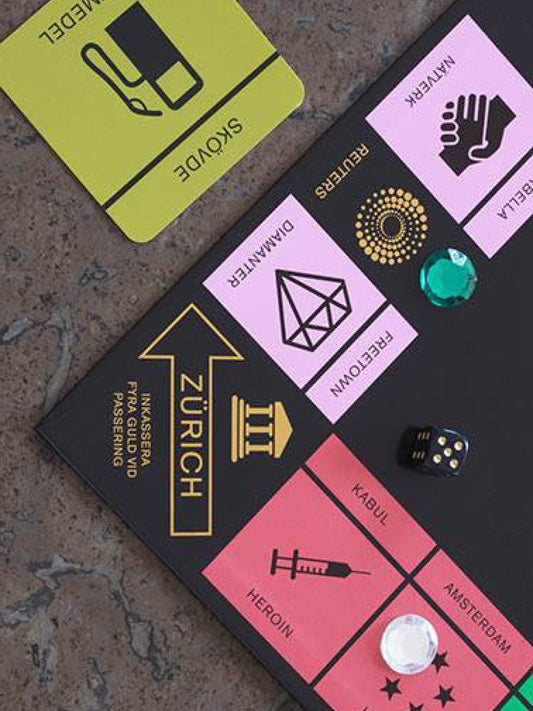
Board Game "Panama"
Vendor:Eric Ericson / Orosdi-BackRegular price 699 SEKRegular price -

 ONLY AT CICUREL
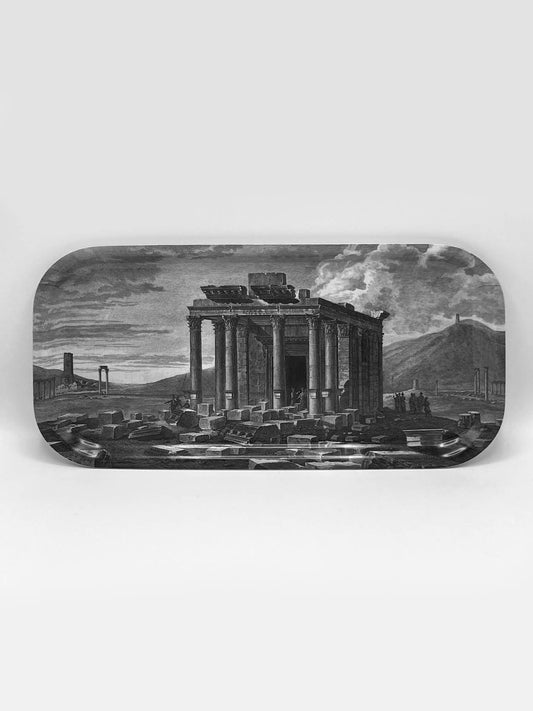
Tray "Palmyra I"
Vendor:Eric Ericson / Orosdi-BackRegular price 499 SEKRegular price -

 ONLY AT CICUREL
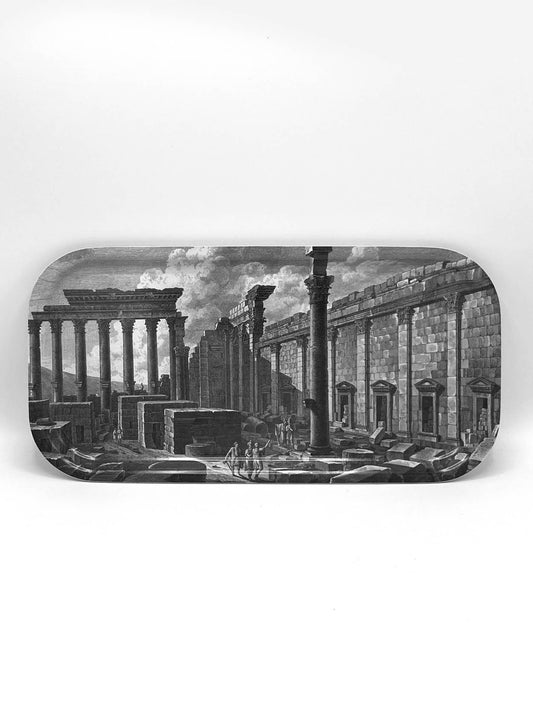
Tray "Palmyra II"
Vendor:Eric Ericson / Orosdi-BackRegular price 499 SEKRegular price



Eric Ericson (b. 1972) is a Swedish author and artist whose work spans literature, visual expression, documentary projects, and conceptual explorations of social structures. His practice often examines how systems, institutions, and the broader biosphere shape human experience, combining text-based approaches with a distinct visual sensibility.
Ericson gained national attention in 2003 with Brev till samhället, a book consisting of unconventional letters sent to companies and public institutions, together with the replies he received. The project exemplifies his interest in communication, civic processes, and the understated humor that emerges when official structures meet unexpected questions. His writings have since been adapted for the stage, including productions at Unga Dramaten and Kulturhuset Stadsteatern in Stockholm.
Alongside his literary work, Ericson has engaged in artistic projects with a strong documentary and visual component. His book Palmyra documents the ancient ruin city in Syria shortly before large parts of the site were destroyed in 2015. Research connected to these travels later contributed to The Man in Damascus, co-written with Susanna Wallsten, which examines the history of war criminal Alois Brunner. These projects reflect Ericson’s broader interest in historical memory, global conflict, and the role of images in shaping collective understanding.
Design has also been an integral part of Ericson’s practice. Together with comic artist Thomas Olsson, he founded the publishing house Orosdi-Back, active between 2010 and 2019, known for its focus on visual culture, artist monographs, and experimental formats. His engagement with design became particularly visible in 2013 when he was publicly identified as the designer behind the fireplace screen Slottet brinner for Svenskt Tenn.
Across his work, Ericson moves fluidly between narrative, research, and visual form. His projects — whether literary, documentary, or design-oriented — share a consistent interest in how aesthetics and communication can clarify, question, or complicate the structures that surround everyday life.