
Carl Johan De Geer
Carl Johan De Geer (b. 1938) is a Swedish visual artist, designer, photographer, filmmaker, and cultural figure whose multidisciplinary practice has played a significant role in Sweden’s postwar art and design landscape. Born in Montréal and raised in several European cities, he returned to Sweden in his youth and later studied graphic design at Konstfack between 1959 and 1963. His background in photography, printmaking, and textile design laid the foundation for an artistic career marked by experimentation and a strong visual identity.
Read More-
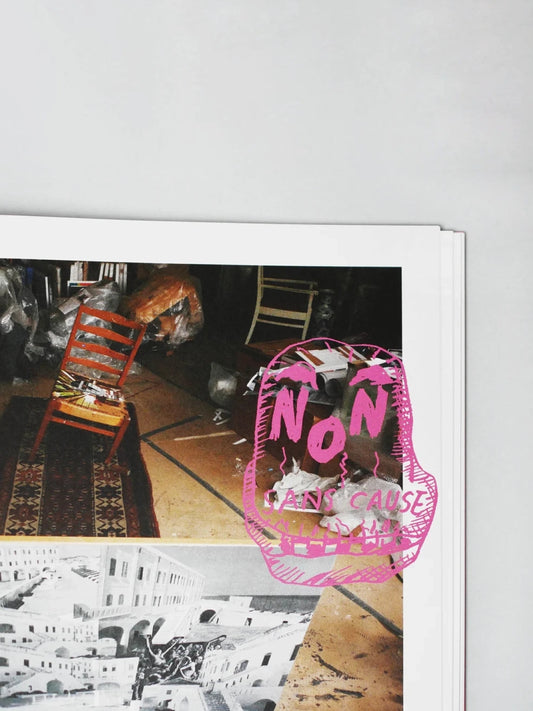
Book "Släkten och slavarna" (SE)
Vendor:Carl Johan De GeerRegular price 290 SEKRegular price

Carl Johan De Geer (b. 1938) is a Swedish visual artist, designer, photographer, filmmaker, and cultural figure whose multidisciplinary practice has played a significant role in Sweden’s postwar art and design landscape. Born in Montréal and raised in several European cities, he returned to Sweden in his youth and later studied graphic design at Konstfack between 1959 and 1963. His background in photography, printmaking, and textile design laid the foundation for an artistic career marked by experimentation and a strong visual identity.
De Geer’s work spans illustration, textile patterns, posters, photography, film, and installations. In the 1960s he co-founded a textile-printing studio and shop in Stockholm, where he developed bold and unconventional patterns that challenged prevailing aesthetic norms. In 1970 he became one of the founding members of the influential design collective 10-gruppen, known for its graphic clarity, vivid color palettes, and modernist interpretation of Scandinavian textile traditions.
Throughout his career, De Geer has used visual media to comment on contemporary culture, often through provocative or satirical imagery. His posters, photographic series, and early graphic works frequently combined strong colors, hand-drawn elements, and political undertones. His collaborations in film and television — including Tårtan (1973), Doktor Krall (1974), and Privatdetektiven Kant (1983) — further extended his visual storytelling into moving image and scenography.
Since the early 1960s, De Geer has remained an active and influential presence in Swedish art. His exhibitions have been shown at major institutions such as Thielska Galleriet, Prins Eugens Waldemarsudde, Färgfabriken, Bildmuseet in Umeå, Dunkers Kulturhus in Helsingborg, and Norrköpings konstmuseum. His later projects — including Släkten och slavarna, Den stora missuppfattningen, Ledtrådar, and Vi hade fel — reflect a continued interest in historical memory, personal narrative, and the expressive potential of visual form.
De Geer’s body of work is characterized by a distinctive graphic sensibility, an interest in challenging visual conventions, and a long-standing commitment to exploring how images can shape cultural understanding. His contributions to design, illustration, photography, and film have made him a central figure in Swedish contemporary culture.